Getting Around NYC During UN General Assembly Week Without Losing Your Schedule
June 27, 2026
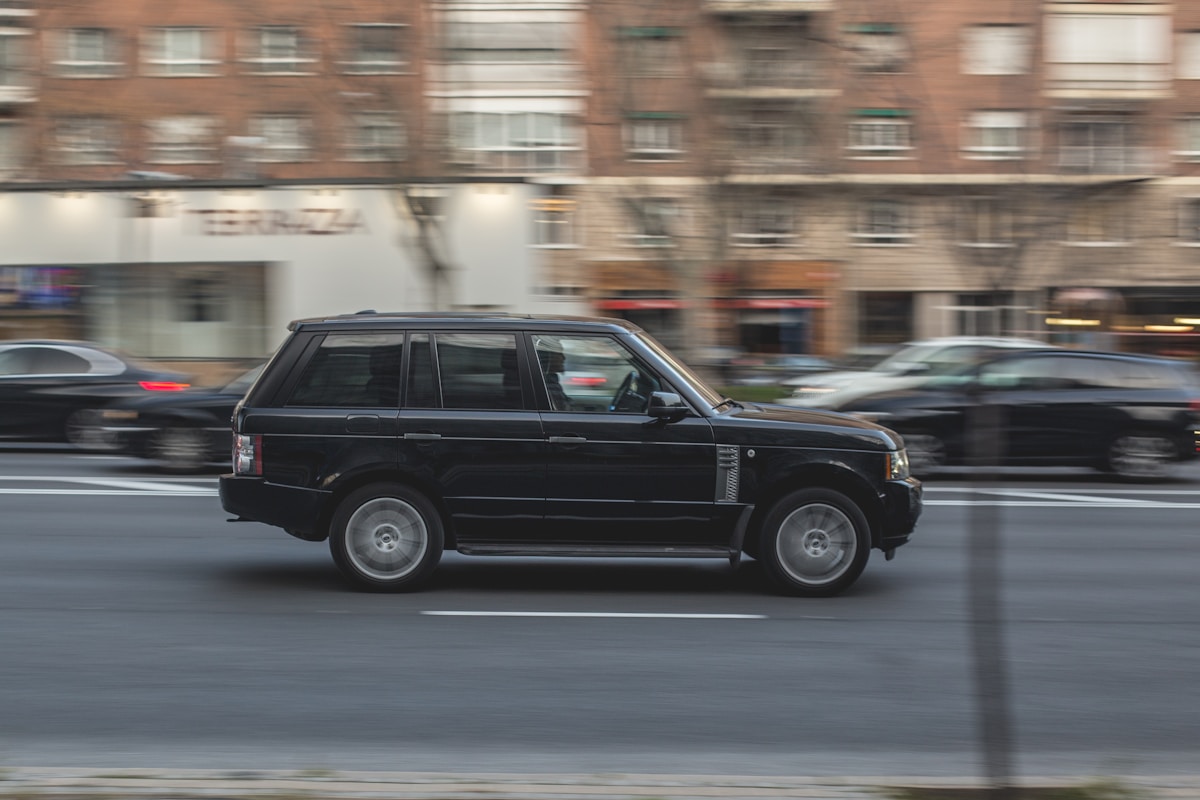
How to get around NYC during UN General Assembly week without losing your schedule, and why a dedicated private driver makes the difference.
Every September, the United Nations General Assembly turns parts of midtown Manhattan into some of the most congested and unpredictable streets in the country. For executives who need a private driver during NYC UN General Assembly week, the planning has to start well before the motorcades do. The Secretariat building sits on First Avenue between 42nd and 48th Streets, but the disruption spreads across a much wider area. From roughly 46th Street north to 57th Street, and from Third Avenue to the East River, the city operates on a different set of rules for the better part of a week.
People who have been caught in it before start arranging transportation before August. The ones who figure it out the hard way tend not to make the same mistake twice.
What Actually Happens to Midtown During General Assembly Week?
The disruption is not localized to the blocks around the UN. It ripples. Motorcades move through midtown at irregular intervals with no advance notice at street level. Security perimeters expand and contract depending on which head of state is currently in transit, which motorcade route is active, and which bilateral meeting is ending. Avenues close temporarily and then reopen. Blocks that were accessible an hour ago are suddenly behind barriers.
Hotels on the East Side see their driveways backed up into the street. Pedestrian crossing patterns get disrupted at major intersections. And rideshare pickups in the affected zones become unreliable to the point of being useless. Drivers accepting a request on 49th and Lex may find themselves unable to reach you because a closure activated between when they accepted the fare and when they arrived at your block.
The week is also dense with competing demand. Every diplomat, aide, lobbyist, and NGO representative in the city is trying to get somewhere time-sensitive at roughly the same hours. Midtown East in September during General Assembly week is one of the more genuinely difficult transportation environments in New York, and New York produces difficult transportation environments year-round.
Which Streets Move and Which Ones Do Not?
Drivers who have worked UNGA before develop a working knowledge of where to route and when. The avenues farther west hold up better for north-south movement. Sixth and Seventh Avenue stay functional through most of the day. The West Side Highway is useful if your destination is above 57th or below 34th. Crosstown travel through the 50s, particularly between Third Avenue and the East River, is where things get genuinely bad during peak session hours, which tend to run from mid-morning through early afternoon and then again in the early evening.
The answer for experienced drivers usually involves crossing in the 30s, running the West Side, and cutting back east once clear of the blockage zone. This adds time, but it adds predictable time. A driver who has navigated past UNGA weeks can give you a realistic estimate before you leave, not an apology after you arrive late. That distinction matters when you are walking into a meeting with someone you have been trying to schedule for three months.
Who Actually Attends UN General Assembly Week in New York?
The official General Assembly sessions are attended by heads of state and senior foreign ministers, but the week surrounding the formal sessions has grown into a parallel conference ecosystem. Side events at the Ford Foundation building on 43rd Street, policy institutes and think tanks throughout the East Side, and hotels like the Lotte New York Palace host panels, bilateral meetings, coalition discussions, and private dinners that draw a different crowd entirely.
Executives from finance, global health, sustainable investment, energy, and international development attend these events in significant numbers. A CEO with international operations may have three or four engagements on a single day, spread across different buildings in midtown. A partner at an international law firm may run back-to-back client dinners in the 50s and then have a late meeting near Grand Central. This is the actual schedule that certain executives carry during UNGA week, and every item on it assumes transportation that shows up on time and in the right place.
Why Rideshares Fail During High-Security Event Weeks
Rideshare apps are built for normal conditions. Their routing is dynamic but not situationally intelligent. A driver accepting a pickup request in the middle of a UNGA security closure is not going to know which block is currently passable. The app routes them based on general map data, not on what is happening at street level at that precise moment.
There is also the driver behavior issue. During a major event week, rideshare drivers are operating under surge pricing pressure and elevated cancellation rates. The incentive structure rewards accepting many rides, not waiting outside a hotel for forty minutes while a passenger is inside a meeting that ran over. When you emerge and your driver has already moved on, or is sitting two avenues west because they could not reach your address, you are walking in whatever you wore to the event and explaining your tardiness at the next stop.
The deeper problem is that rideshares offer no continuity. A different driver each time means no accumulated knowledge of your schedule, your buildings, your clients, or the specific rhythms of UNGA week. You explain the situation from scratch every time you open the app.
How Does a Private Driver for NYC UN General Assembly Week Work Differently?
Before the week starts, you share your schedule. A dedicated driver reviews the UNGA session calendar, maps out where each of your engagements is relative to the known security corridors, and builds your routing around what will actually be accessible at each specific time. If your first meeting is on 43rd Street near the Ford Foundation, they know to position on the accessible approach before the morning perimeter activates, not after.
During the week, they are tracking your status and the ground situation at the same time. When a motorcade pushes through and closes a cross-street unexpectedly, they have already rerouted before you text them. You come downstairs and the car is there, positioned correctly, ready to move.
Dedicated drivers who have worked UNGA regularly also carry specific knowledge you cannot get from an app. Which hotel entrances become inaccessible on which days. Which side streets on the East Side remain passable. Which blocks to avoid during motorcade-heavy evenings. Non-disclosure is standard practice for drivers working with executives at this level, which matters when your car conversations involve client names, deal terms, or internal strategy.
Is a Monthly Retainer the Right Move for One Difficult Week?
UNGA is one week in September, but executives who get the most out of a monthly driver recognize that General Assembly week is just the most visible version of a condition that exists year-round. Events, conferences, and high-profile situations create transportation friction on a rotating basis throughout the calendar. A driver who knows your schedule and your buildings handles all of it, not just the week that makes headlines.
A monthly retainer with Auto Holick runs from $700 per day on a 60-day plan to $800 per day on a 30-day plan. Every vehicle is a Mercedes GLS 450. Every driver is professionally licensed and security-trained, which carries particular relevance during a week when the city is operating under elevated protocols around your meeting locations.
For executives who need a private driver during NYC UN General Assembly week and the months surrounding it, the question is not really whether the retainer makes sense. It is whether improvising transportation during one of the most logistically demanding weeks the city runs all year is a reasonable bet on your schedule. Based on past experience, most people who try it once decide it is not.
Ready to stop coordinating transportation?
One retainer. One driver. Your schedule, your terms.
Reserve Your Retainer